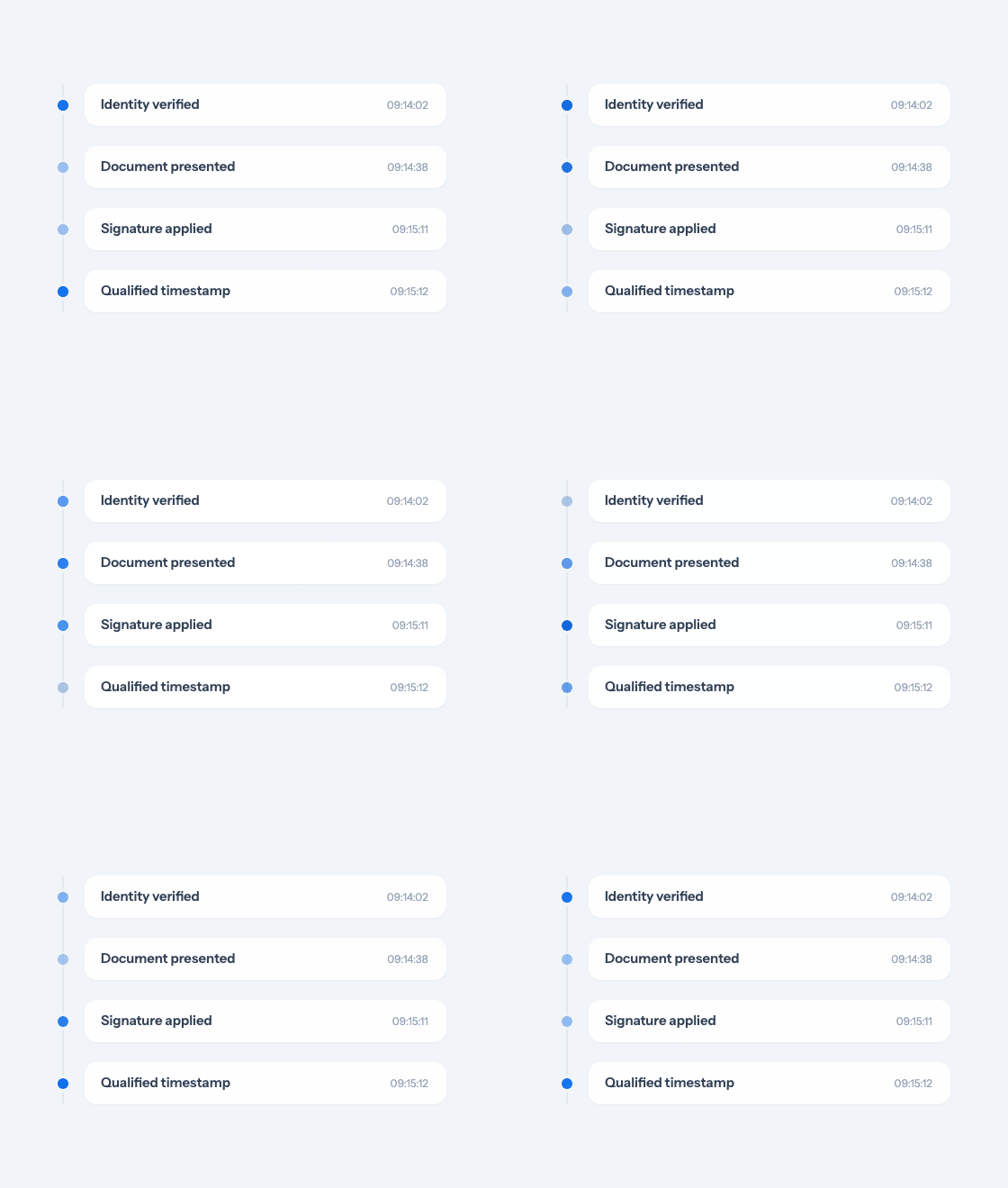
A qualified signature requires a high-assurance identity check. When that identity is already established, sending and signing happen in one session.
Advanced or qualified, per use case
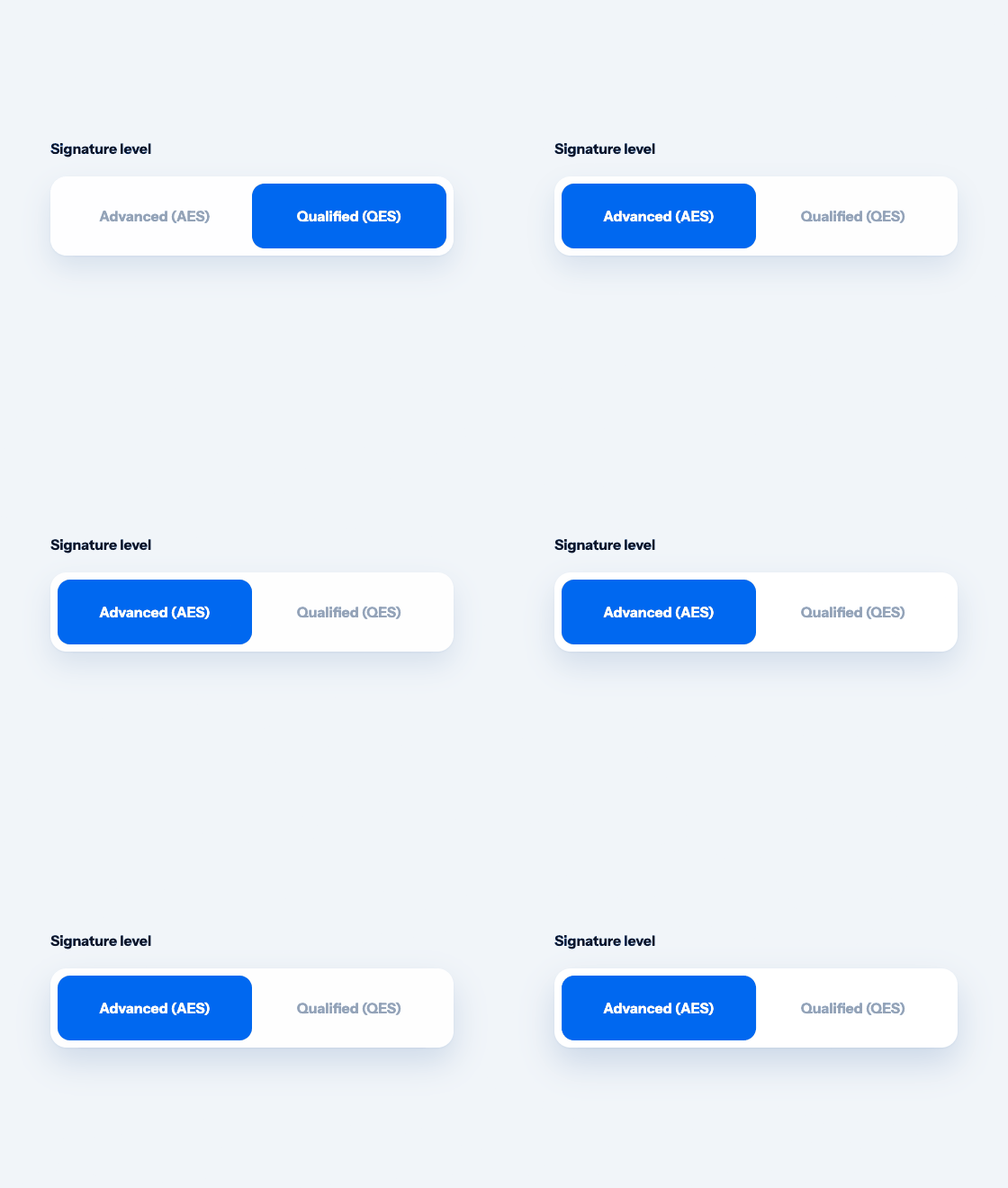
An AES where an advanced signature is proportionate to the risk, a QES where the law requires written form. Both run through the same flow, so the choice is a single setting.
Valid where the law is strict
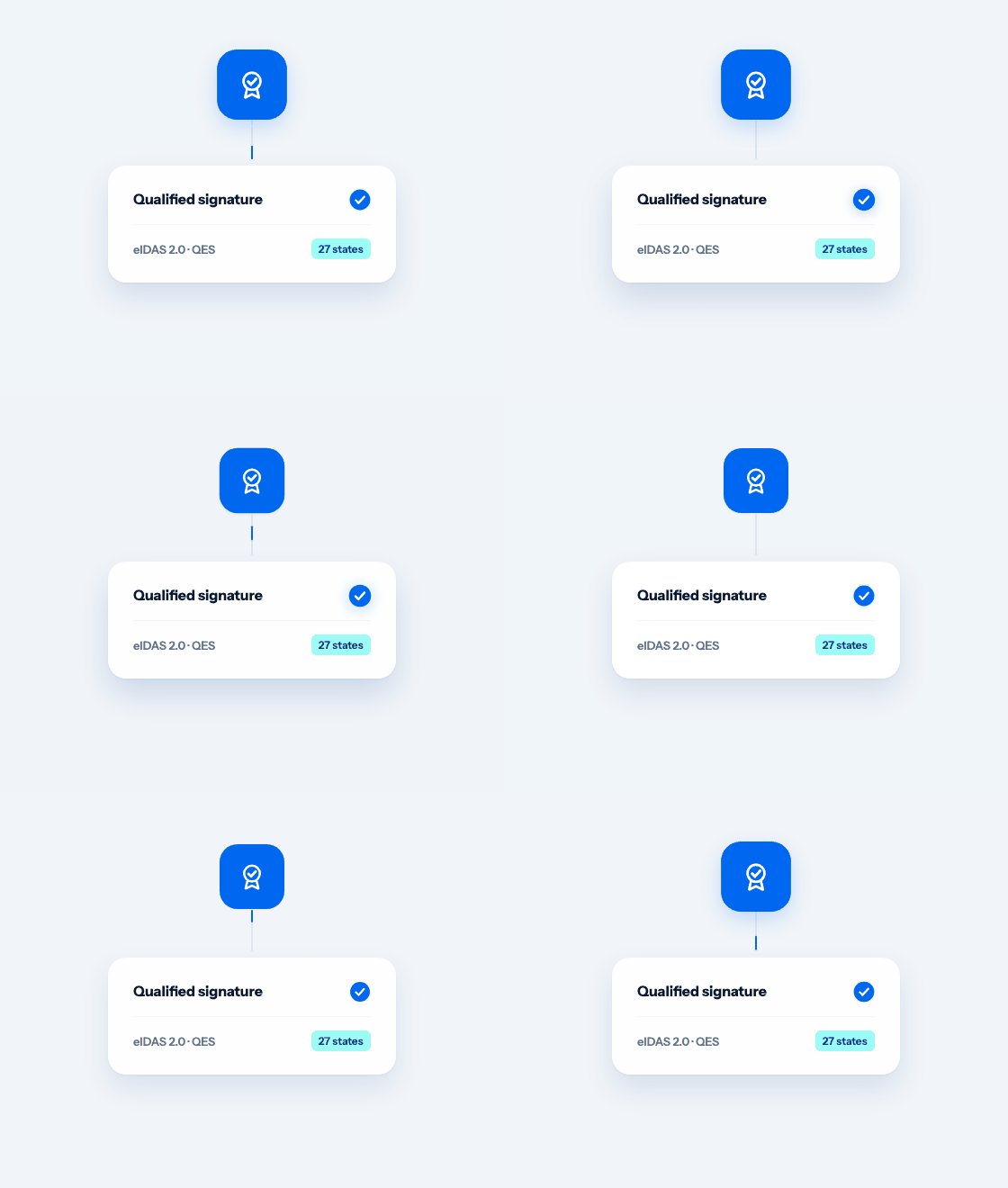
Some contracts require written form; a qualified signature satisfies it, across borders. Where written form is not required, an advanced signature carries the agreement.
Identity linked to intent
Issued only after high-assurance verification, so it proves who signed.
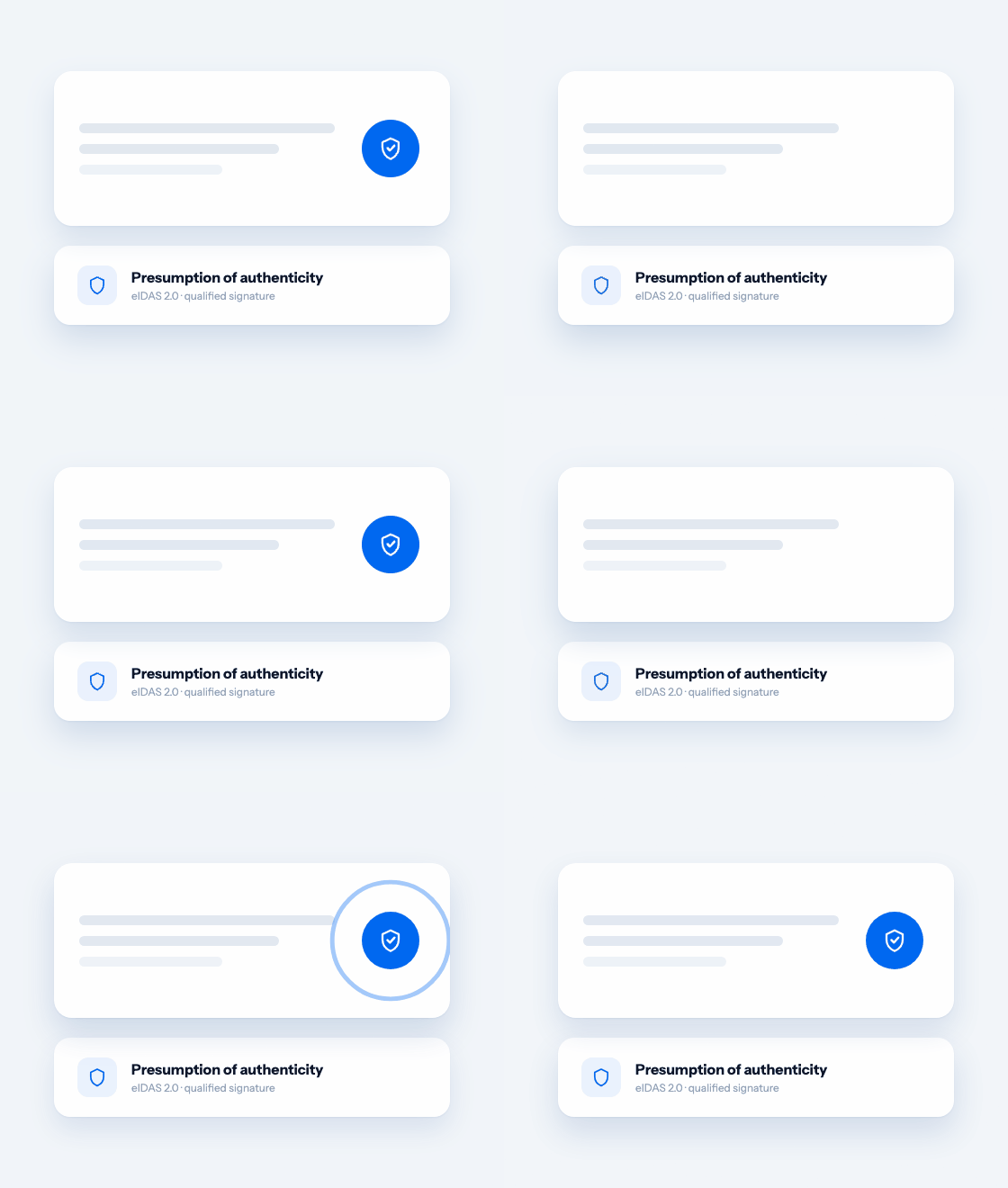
The burden of proof sits with the other party
eIDAS gives a qualified signature the same legal effect as a handwritten signature. A qualified seal carries the presumption of integrity and origin.
Complete audit trail
Traceable records across the full interaction flow.
Aligned with Europe's digital future
Trust is our foundation. We operate in full compliance with industry-standard frameworks.
Do your processes still rely on traditional signatures?
Across financial services, government, healthcare and pharma, TrustTech is in production with organisations who needed it to actually work.